Dark spots and uneven patches can have different causes. VAMA Clinics begins with an assessment of your skin type, pigmentation pattern and possible triggers before discussing suitable treatment options and realistic expectations.
Discuss your pigmentation concern and get guidance on suitable next steps.
Individual outcomes vary. Your specialist can discuss what may be realistic for your skin.
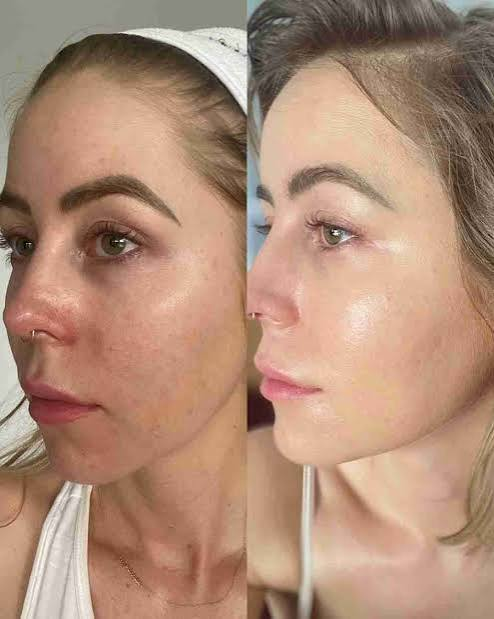
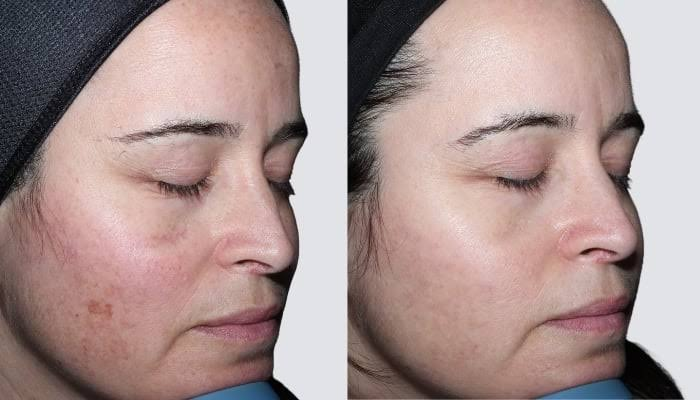
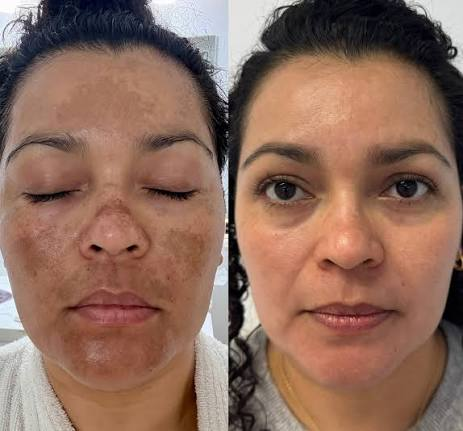
Select the concern that sounds closest to yours. A consultation is needed to identify the type and discuss suitable options.
Based on your selection, our specialists usually recommend —
Get a personalised planSun exposure, hormonal changes, acne and other factors may contribute to pigmentation.
Recommendations are based on pigmentation type, depth, skin characteristics and your goals.
Depending on assessment, options may include skincare, topical medication, peels or selected light-based procedures.
Consistent sun protection is an important part of managing pigmentation and supporting treatment.
A professional assessment helps determine whether a procedure is appropriate for your concern.
Discuss your skin concerns at VAMA Clinics in Noida, Indirapuram, Delhi, Kanpur, Lucknow or Agra.
Your pigmentation pattern, skin type, history and possible triggers are assessed.
A plan may include skincare, topical medication, chemical peels or selected laser and light-based procedures.
If a procedure is suitable, it is selected according to your skin characteristics and pigmentation concern.
Sun protection, skincare and follow-up guidance help support gradual improvement.
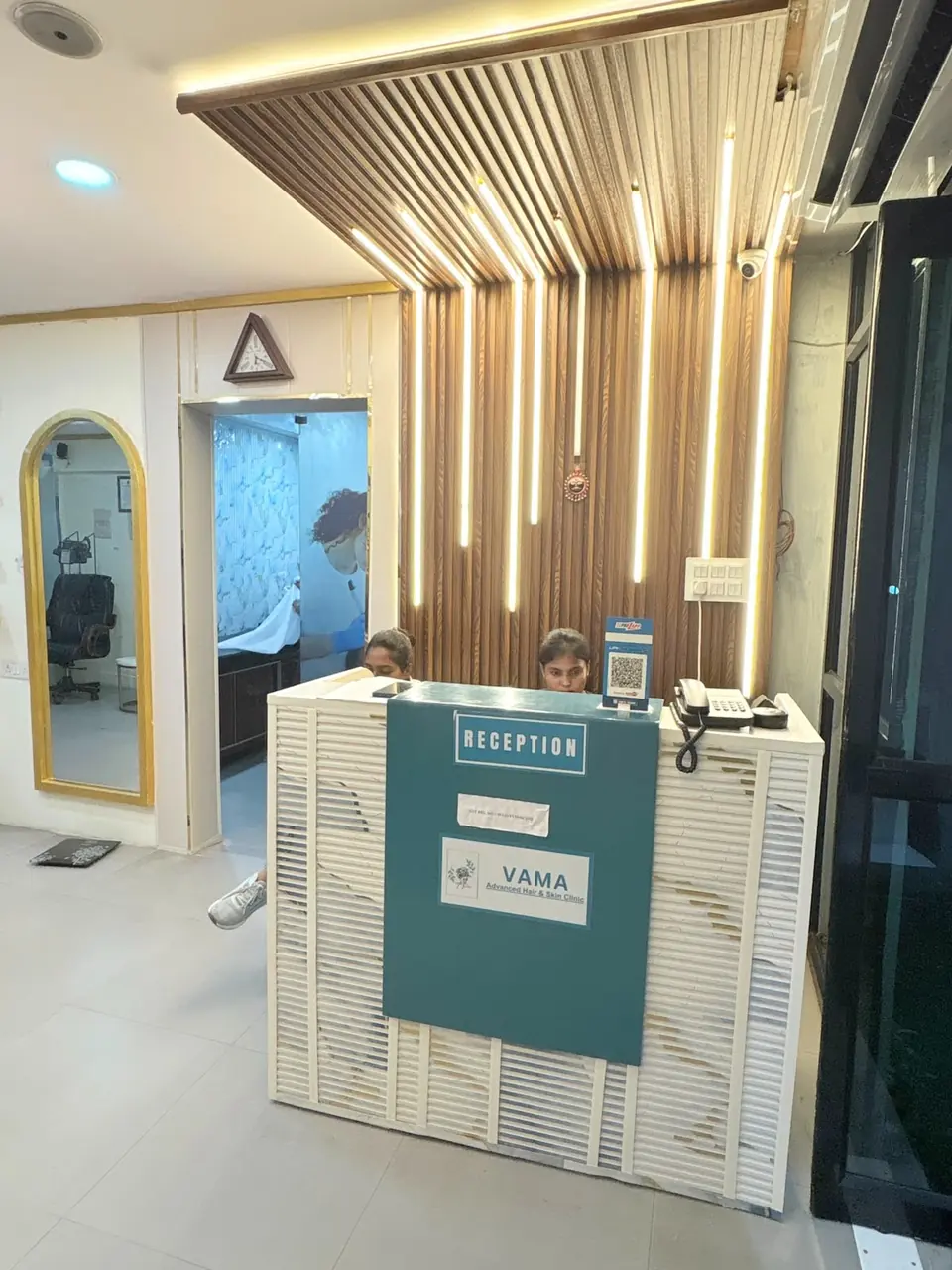
At VAMA Clinics, pigmentation care begins with a conversation about your skin and what may be contributing to the concern. Our team supports patients across locations in NCR and UP.
Uneven skin tone, dark patches and brown spots are common concerns that may appear on the face or other parts of the body. Pigmentation can develop when the skin produces or distributes excess melanin, the pigment responsible for skin colour. At VAMA Clinics, treatment planning considers your skin type, pigmentation pattern, possible causes and goals.
Pigmentation refers to changes in the normal colour of the skin. It often appears as darker spots or patches, while some conditions can cause areas of reduced pigmentation. Different types may look similar, so a proper assessment is important before starting treatment.
There can be several contributing factors. Sun exposure can stimulate pigment production and may worsen existing patches. Hormonal changes, acne or other skin inflammation, skin injury, certain medications and irritating skincare products may also play a role. A specialist can help assess possible triggers.
The right approach depends on the type and depth of pigmentation, your skin characteristics and medical history. After assessment, options may include:
Melasma may require a combination of sun protection, topical medication and, in some cases, procedures. There is no single option for every person or type of pigmentation, and improvement is often gradual rather than immediate.
Ongoing sun exposure can darken existing pigmentation and contribute to new spots. Broad-spectrum sunscreen (SPF 30 or higher) and other sun-protection measures are commonly recommended. Follow the specific skincare and aftercare guidance provided by your treating professional.
VAMA Clinics offers pigmentation consultation and personalised skin care across Noida, Indirapuram, Lajpat Nagar, Kanpur, Lucknow and Agra. Discuss concerns such as dark spots, melasma, post-acne marks or uneven skin tone with the team at a convenient location.
A consultation can help identify possible causes and suitable options for your concern. The plan depends on your skin and may involve ongoing skincare or multiple sessions. Ask about expected timelines, aftercare, possible risks and costs before proceeding.
Treatment suitability and results vary by individual. This information is general and does not replace a professional medical assessment.
Pigmentation can have different causes. We begin by learning about your skin, its pattern and your treatment goals.
Depending on your assessment, care may include skincare, medication, chemical peels or selected light-based procedures.
Sun protection and the aftercare guidance from your clinician are important parts of pigmentation management.
There is no single option for everyone. Your specialist can discuss likely timelines, follow-up and realistic expectations.
Sun exposure, hormonal changes, acne or other inflammation, skin injury, some medications and irritating skincare products may contribute. A professional assessment can help explore possible causes.
Depending on the type and depth of pigmentation, options may include professional skincare, topical medication, chemical peels or selected laser and light-based procedures. Not every option is suitable for everyone.
The timeline depends on the cause, type and depth of pigmentation and the approach selected. Some concerns need ongoing skincare or multiple sessions; your specialist can discuss a suitable plan and review schedule.
Sun protection is an important part of pigmentation management. Follow your clinician's advice on broad-spectrum sunscreen and other sun-protection measures, including after any procedure.
Yes, you can book a free initial consultation to discuss your concern and learn about suitable next steps, with no obligation to proceed.
Book a free, no-obligation consultation with VAMA's skin specialists.